When it comes to understanding roadside assistance vs towing, it’s essential to recognize the distinct services offered and when to utilize each. Both options play crucial roles in vehicle recovery and emergency services, yet they serve different purposes. This article breaks down the key differences between roadside assistance and towing, highlighting situations where you might require roadside help versus when a tow truck is necessary. Additionally, we will provide a cost comparison between these services and offer guidance on how to choose the right option for your specific needs. Whether you are dealing with a flat tire, a dead battery, or a more serious breakdown, knowing when to call for roadside assistance or a tow can save you time, money, and stress. For a comprehensive understanding, this towing guide will help you navigate the complexities of vehicle recovery, ensuring that you make informed decisions in any emergency situation. Let’s explore the nuances of these essential services.
Understanding Roadside Assistance vs Towing Services
What is Roadside Assistance?
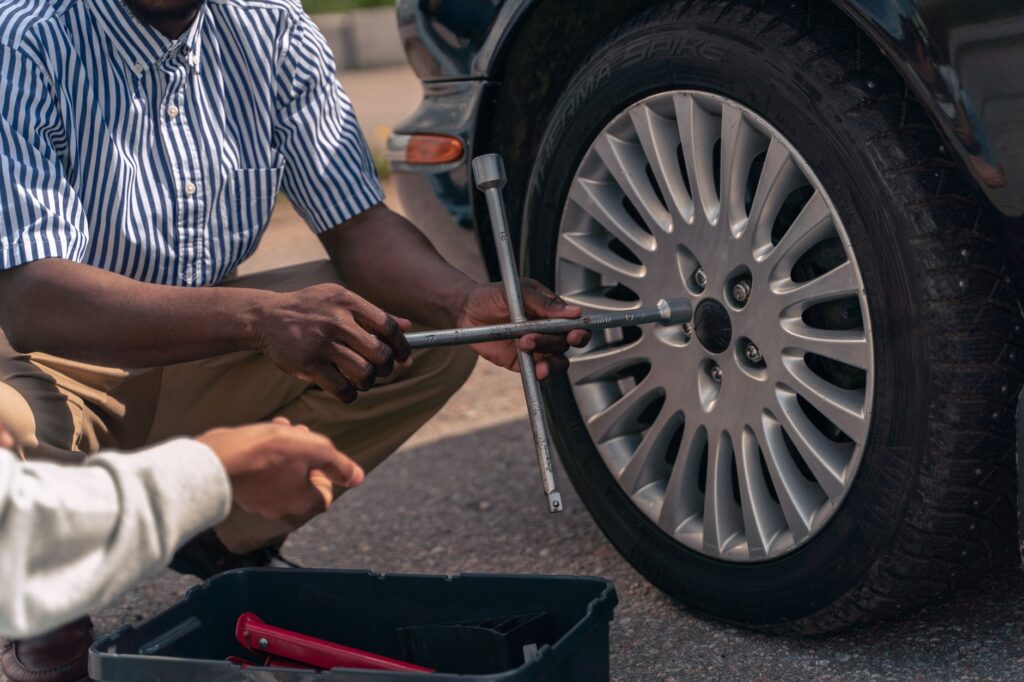
Roadside assistance is a service designed to provide immediate help to drivers experiencing minor vehicle issues on the road. This can include tire changes, fuel delivery, battery jump-starts, and lockout services. The primary function of roadside assistance is not to tow a vehicle but rather to resolve problems on the spot, allowing drivers to continue their journey with minimal disruption. Such services are often included in auto insurance policies or available through memberships with organizations like AAA. In essence, roadside help focuses on quick fixes and getting drivers back on the road as efficiently as possible.
What is Towing?
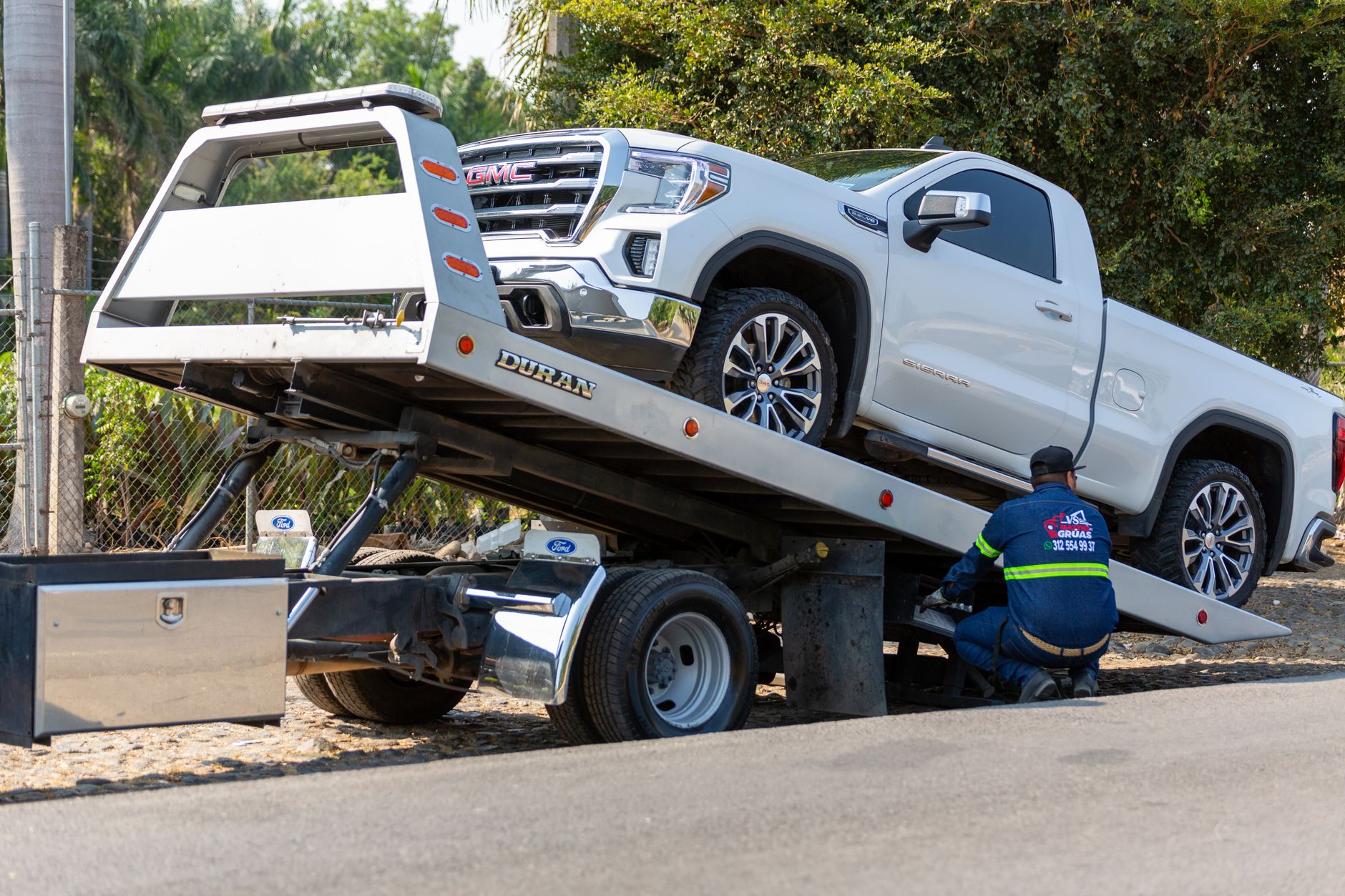
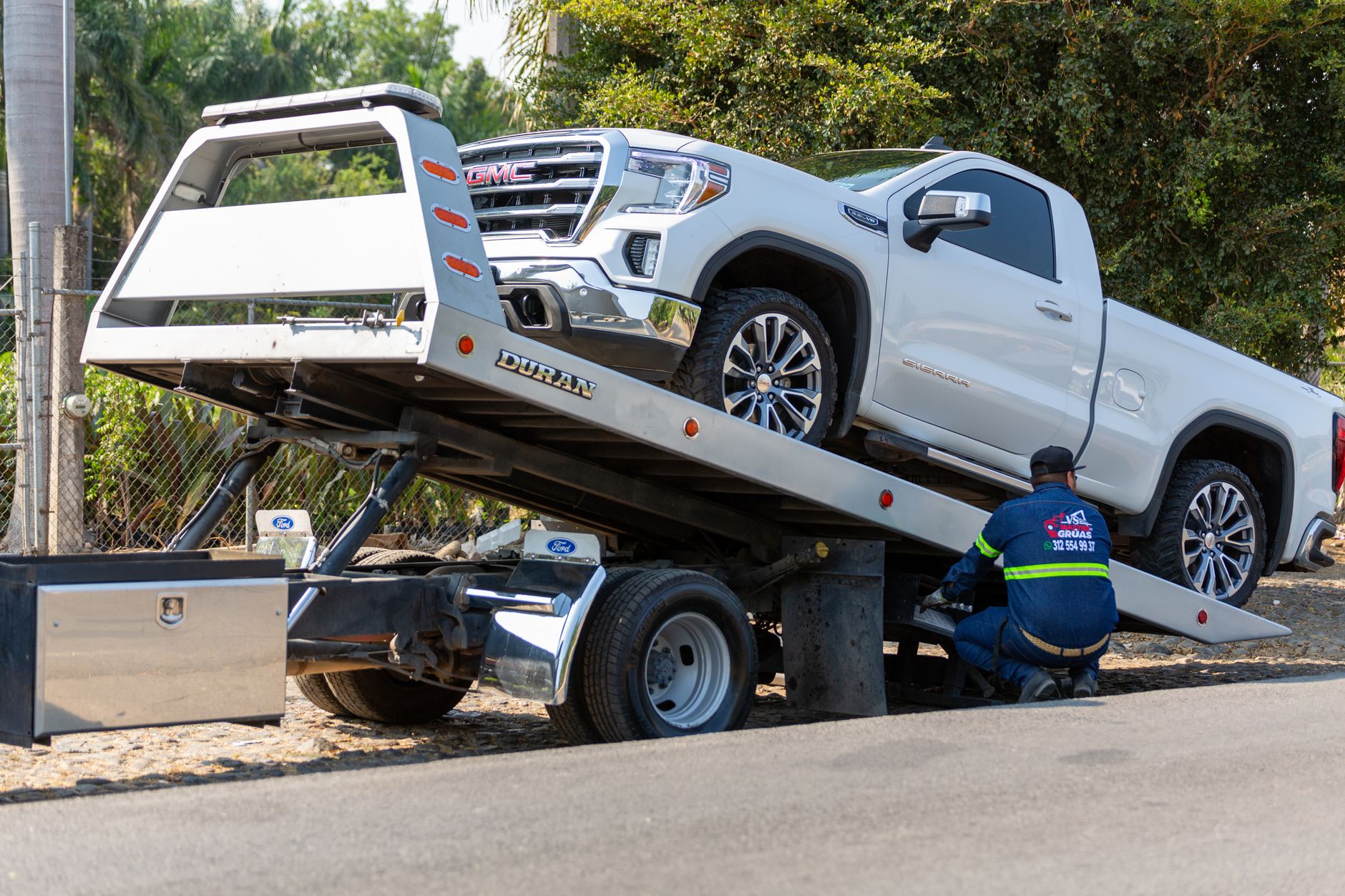
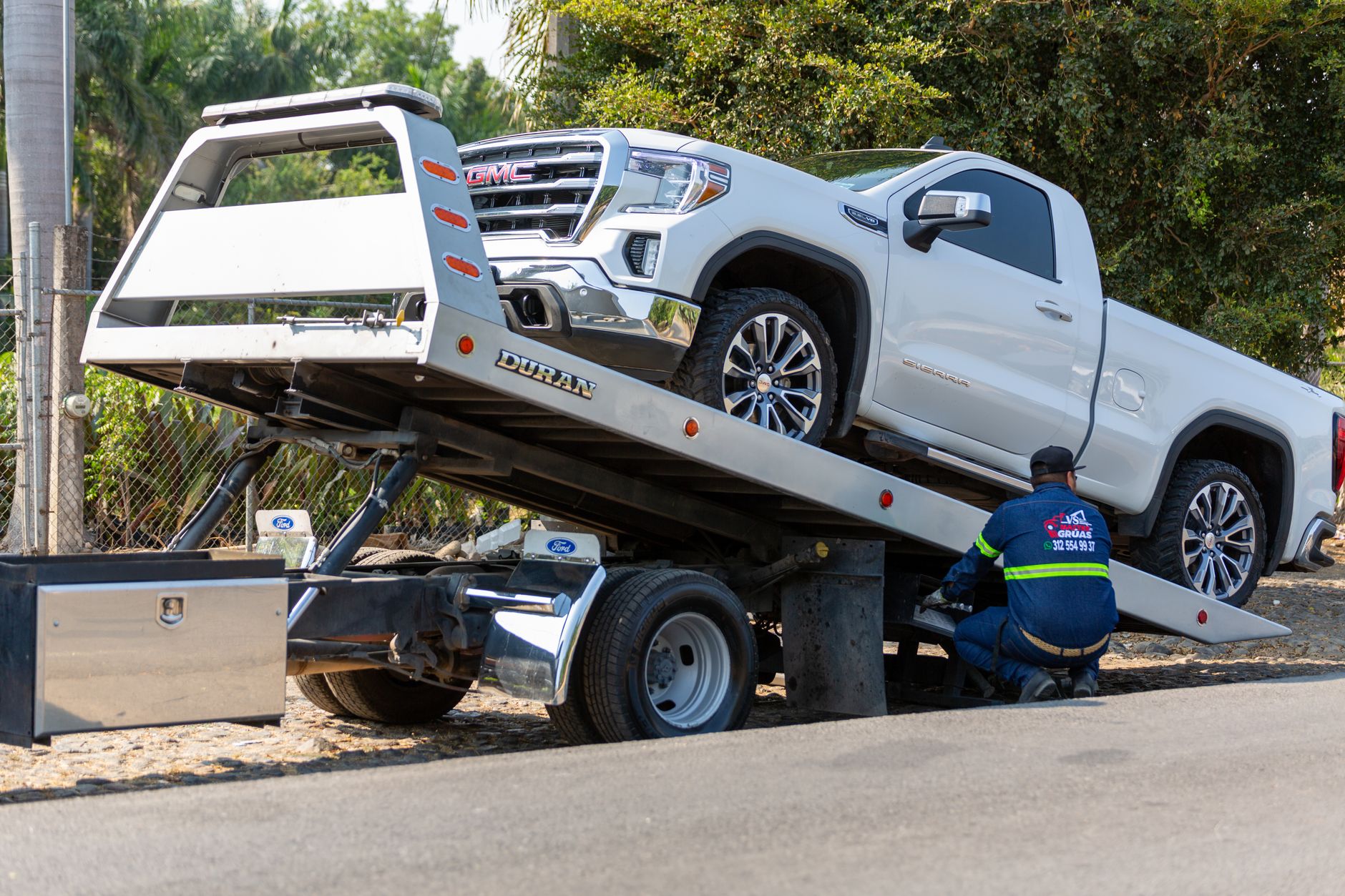
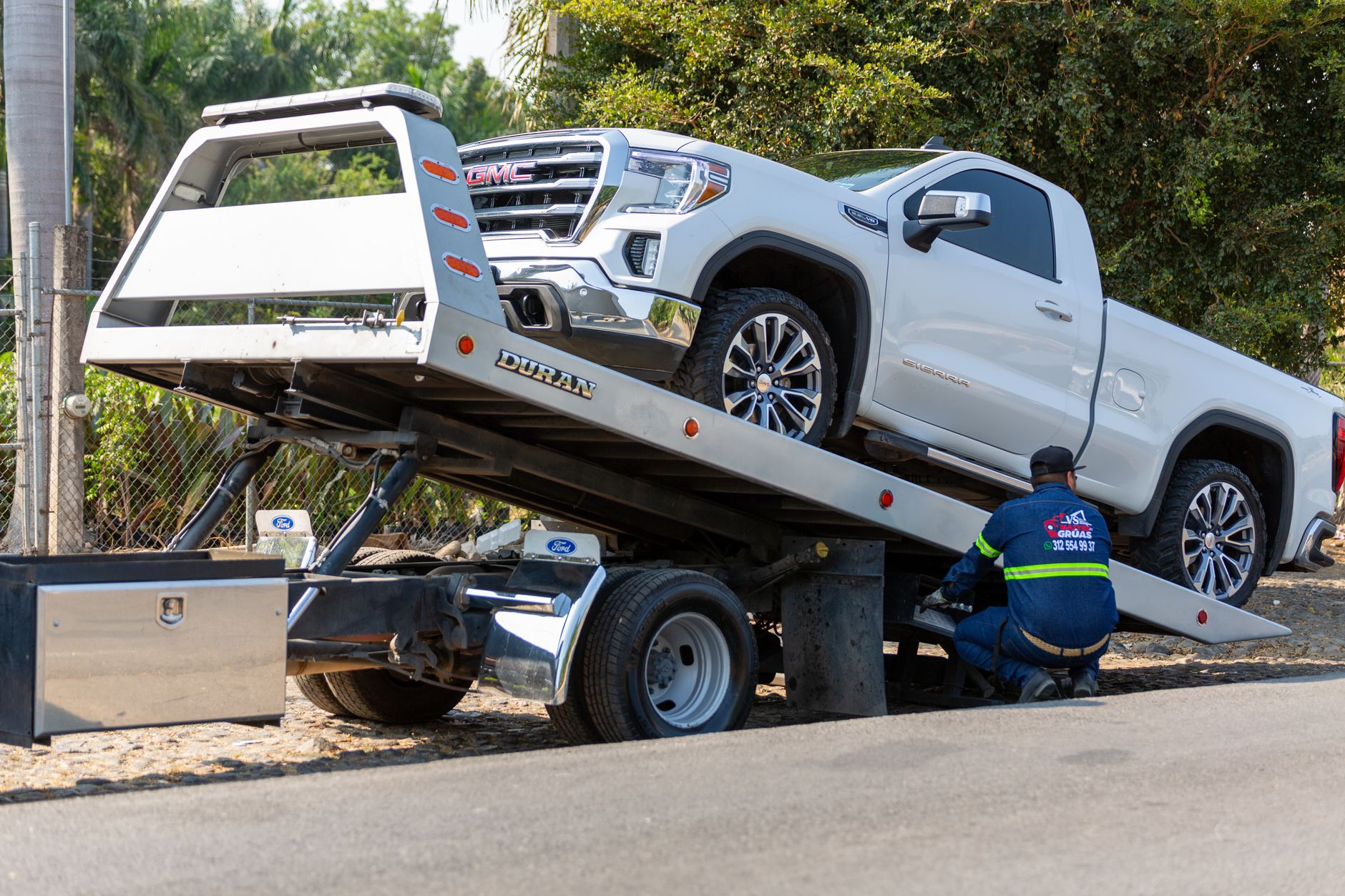
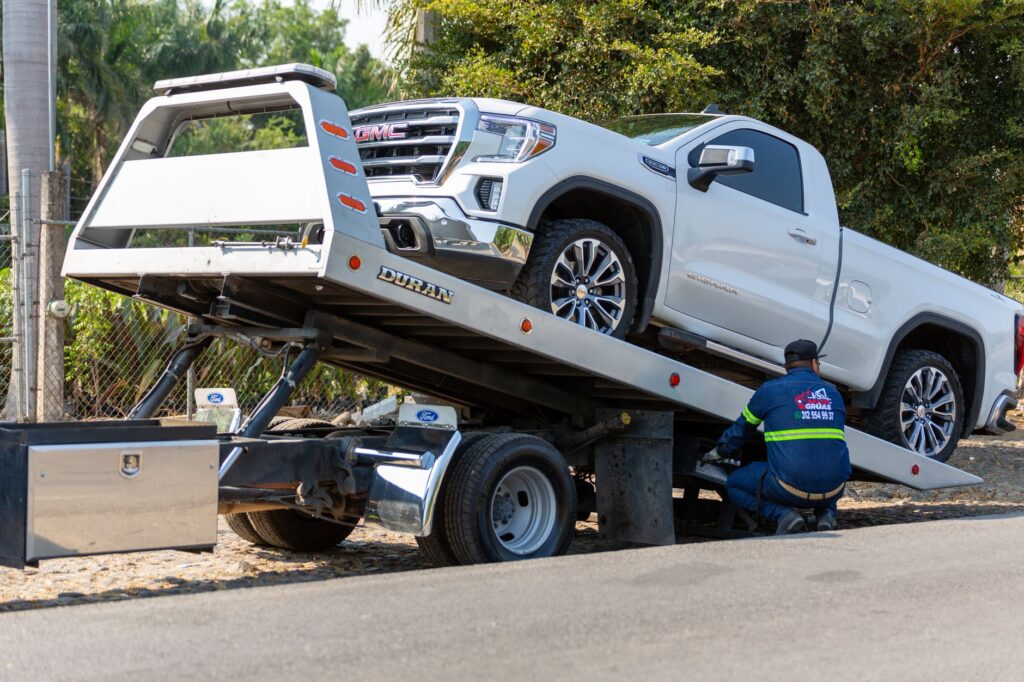
Towing, on the other hand, is a service specifically aimed at transporting a vehicle from one location to another. This is necessary when a vehicle cannot be repaired on-site or is involved in an accident. Towing services are crucial for vehicle recovery in situations where a car is disabled due to severe mechanical failure or collision. Unlike roadside assistance, which addresses minor issues, towing is typically initiated when a vehicle needs to be moved to a garage or repair shop for extensive repairs. It is important to understand the distinctions between roadside assistance vs towing, as knowing when to call for each can save time and potentially reduce costs.
Emphasizing the importance of knowing when to use these services can greatly impact a driver’s experience during an emergency. While roadside assistance can resolve many common issues on the spot, towing services provide a crucial safety net for more severe circumstances. Drivers should familiarize themselves with a towing guide and their roadside assistance options to ensure they are prepared for any situation.
Situations Requiring Roadside Assistance vs Towing
When to Call for Roadside Assistance
Understanding when to utilize roadside assistance versus towing is essential for drivers facing vehicle issues. Roadside assistance is typically ideal for minor mechanical problems that can be resolved on-site. For example, if you experience a flat tire, a dead battery, or run out of fuel, calling for roadside help can quickly get you back on the road. Most roadside assistance programs include services like tire changes, jump-starts, and lockout assistance, making them perfect for these everyday inconveniences. These services are designed to provide swift vehicle recovery without the need for towing.
When Towing is Necessary in Roadside Assistance vs Towing
On the other hand, there are situations where towing is the only viable option. If you are involved in a vehicle accident or your car has broken down in a manner that cannot be safely fixed on-site, it is time to call for towing services. For instance, if your vehicle has sustained significant damage that renders it inoperable, or if it has overheated and requires extensive repairs, towing is essential. Emergency services often play a crucial role in these scenarios, especially if the situation poses a danger to you or other road users.
Moreover, the distinction between these two services is not just about the severity of the issue but also about safety. Roadside assistance can often help you navigate less critical problems without the risk associated with driving a faulty vehicle. A reliable towing guide can assist you in understanding which services to call based on the situation, ensuring you’re prepared for any roadside emergency.
recognizing the difference between roadside assistance and towing is vital for effective vehicle management. Knowing when to seek roadside help can save time and resources, while understanding when towing is needed can ensure your safety on the road.
Cost Comparison: Roadside Assistance vs Towing
Understanding the Costs of Roadside Assistance
When weighing the options of roadside assistance vs towing, understanding the costs associated with each service is crucial. Roadside assistance typically operates on a subscription model, which can range from $50 to $200 annually, depending on the provider and coverage level. This fee often includes services such as battery jumps, flat tire changes, and minor mechanical repairs. Additionally, many plans offer a limited number of tows per year, usually between 5 to 100 miles, included in the subscription fee. This can provide substantial peace of mind for drivers who frequently face vehicle issues.
The Financial Aspect of Towing
In contrast, towing services generally charge on a per-mile basis, with fees ranging from $75 to $150 for the initial hook-up and around $2 to $4 per mile thereafter. This pricing structure can become quite expensive, particularly for longer distances. For example, a tow that requires 10 miles could easily cost upwards of $150 to $200. Moreover, if you find yourself in need of emergency services outside of normal business hours, expect to pay a premium for after-hours assistance, which can add another $50 or more to the bill. Understanding these costs can significantly impact decision-making during vehicle recovery, especially when considering the potential unpredictability of needing a tow.
While roadside help may seem more cost-effective upfront, the unexpected nature of vehicle issues can often tip the scales in favor of a comprehensive roadside assistance plan. A well-structured towing guide will also highlight the importance of comparing these services based on your individual driving habits and needs.
Ultimately, the choice between roadside assistance vs towing should be informed by your driving frequency, vehicle reliability, and personal budget. Opting for a subscription can lead to greater savings, especially for those who frequently find themselves in need of vehicle recovery. By evaluating these factors ahead of time, you can make a more informed decision that aligns with your specific needs and circumstances.
Choosing the Right Service for Your Needs
When evaluating your options in the roadside assistance vs towing debate, it’s essential to consider several key factors that will influence your decision. While both services serve critical roles in vehicle recovery, each has its unique advantages and limitations. Understanding these can significantly affect your peace of mind and preparedness in emergency situations.
Factors to Consider
- Type of Vehicle: Different vehicles may require specialized towing or roadside help. For instance, larger vehicles often necessitate a towing company with specific equipment.
- Frequency of Use: If you frequently travel long distances or to isolated areas, having a comprehensive roadside assistance plan may provide more benefits than occasional towing services.
- Cost: Roadside assistance plans often include a variety of services at a lower annual cost compared to pay-per-use towing services. Review your budget and evaluate which option offers better value.
- Response Time: Emergency services can vary in response time. Some roadside assistance programs guarantee faster responses, while towing services can be unpredictable.
The Benefits of Each Service
Roadside assistance offers a sense of security, ensuring that help is just a phone call away, whether you’ve run out of fuel, have a flat tire, or need a jump start. This service typically covers various situations, reducing the stress of unexpected car troubles. In contrast, towing services are indispensable when your vehicle is incapacitated and cannot be repaired on-site. A reliable towing guide can help you understand the right service for different scenarios, ensuring a smooth recovery process.
Having both roadside assistance and towing services available can provide comprehensive support, offering peace of mind and preparedness for various situations. While some may argue that one is sufficient, the reality is that emergencies can be unpredictable, and being equipped with both options can save you time and stress in critical moments.
Ultimately, the choice between roadside assistance vs towing should be based on your specific needs, vehicle type, and driving habits. By weighing the factors and benefits outlined, you can make an informed decision that best suits your lifestyle and enhances your vehicle recovery strategy.
Conclusion: Making an Informed Decision on Roadside Assistance vs Towing
Understanding the differences between roadside assistance and towing is crucial for any vehicle owner. Both services play distinct roles in vehicle recovery during emergencies. Roadside assistance typically provides immediate help for minor issues such as flat tires, dead batteries, or lockouts, allowing drivers to get back on the road quickly. In contrast, towing is necessary when a vehicle cannot be driven due to significant mechanical failures or accidents, necessitating transport to a repair shop or safe location. Recognizing these distinctions can help you make informed choices when you find yourself in a challenging situation.
When assessing your own needs, consider factors such as your driving habits, the age and condition of your vehicle, and your budget for emergency services. For instance, if you frequently drive in remote areas or own an older vehicle, investing in comprehensive roadside assistance may prove beneficial. On the other hand, if you often travel long distances or manage various vehicles, a reliable towing guide might be essential to your vehicle support strategy.
While some may argue that roadside assistance is adequate for most situations, it’s prudent to not underestimate the value of a towing service. Emergencies can arise unexpectedly, and having both options available ensures you are well-prepared for any eventuality. Ultimately, a combination of roadside help and towing services provides comprehensive coverage, giving you peace of mind as a driver.

By assessing your individual circumstances and understanding the nuances of roadside assistance vs towing, you can make informed decisions that will enhance your driving experience and safety on the road.
Understanding the nuances of roadside assistance vs towing is essential for any driver. While both services aim to support you during vehicle emergencies, they serve different purposes. Roadside assistance provides immediate help for minor issues like flat tires or dead batteries, whereas towing is necessary for more complex situations requiring vehicle recovery. Knowing when to call for roadside help versus when to request towing can save you time and stress on the road.
For anyone looking to enhance their knowledge about these essential emergency services, consulting a comprehensive towing guide can be invaluable. This resource can help you navigate the options available and ensure you are prepared for any roadside situation. Keep your vehicle’s needs in mind and choose the right service when faced with a problem. Don’t hesitate to reach out for assistance whenever required, and ensure your vehicle is ready for the road ahead.
“`html
What is the difference between roadside assistance and towing?
Roadside assistance and towing are two different services that cater to vehicle emergencies. Roadside assistance typically includes services like jump-starts, tire changes, fuel delivery, and lockout help. It is meant for minor issues that can be resolved on-site. Towing, on the other hand, involves transporting a vehicle to a repair facility or another location when it cannot be driven due to mechanical failure or accidents. Understanding the differences between roadside assistance vs towing can help you choose the right service when needed.
When should I call roadside assistance?
You should call roadside assistance when you experience minor vehicle issues that do not require a tow, such as a flat tire, a dead battery, running out of gas, or being locked out of your car. This service is designed to provide immediate help on the spot, making it ideal for situations where you need quick roadside help. However, if your vehicle is involved in an accident or has major mechanical failures, it is advisable to call for towing instead.
How much does towing cost on average?
The average cost of towing can vary widely depending on several factors, including location, distance, and the type of vehicle being towed. Typically, you can expect to pay between $75 and $125 for a standard tow within a few miles. Additional charges may apply for longer distances, after-hours service, or special vehicles. It’s a good idea to check with local towing companies or your insurance provider for specific rates and coverage options.
What does roadside assistance cover?
Roadside assistance coverage can vary by provider, but it commonly includes services such as tire changes, battery jump-starts, fuel delivery, lockout assistance, and minor mechanical repairs. Some plans may also cover towing, but typically only for a limited distance. It is essential to review your specific roadside assistance policy to understand what services are included and any limitations that may apply.
Can I use roadside assistance for vehicle recovery?
Yes, you can use roadside assistance for vehicle recovery in certain situations, especially if your vehicle is stuck in a ditch or mud. However, this service is generally limited to recoveries that can be resolved on-site, without the need for extensive towing. If your vehicle cannot be recovered quickly and safely, or if it is involved in an accident, you may need to call for towing instead.
What should I do if my car breaks down?
If your car breaks down, first ensure your safety by moving the vehicle to a safe location if possible. Turn on your hazard lights to alert other drivers. Next, assess the situation; if it’s a minor issue, you may be able to fix it with roadside help. If you cannot resolve the problem, call your roadside assistance provider or a local towing service for help. Always keep emergency supplies in your vehicle, including water, flares, and a first-aid kit.
“`