
To prepare for a traffic stop in Las Vegas, it is essential to understand local laws and best practices that can help ensure a smooth interaction with law enforcement. Navigating a traffic stop can be stressful, but being informed can greatly reduce anxiety and improve outcomes. This article covers vital traffic stop tips that every driver should know, including how to maintain composure during a stop and the importance of Las Vegas traffic law awareness to avoid complications such as towing. We will also explore effective strategies to avoid towing during a stop, which can save you both time and money. Additionally, we will discuss the steps to take after a traffic stop, ensuring that you are fully prepared for any situation that may arise. By the end of this article, you will be equipped with the knowledge to approach a traffic stop in Las Vegas confidently.
How to Prepare for a Traffic Stop in Las Vegas
Understanding the Traffic Stop Process
When you are pulled over by law enforcement in Las Vegas, understanding the traffic stop process can significantly alleviate stress and ensure your rights are respected. During a traffic stop, a police officer will typically approach your vehicle to address a perceived violation, which can range from speeding to a broken tail light. It is essential to keep in mind that both drivers and law enforcement have specific responsibilities and rights during these encounters. As a driver, you have the right to remain silent and to ask if you are free to leave.
Las Vegas traffic law awareness is crucial when preparing for a traffic stop. Familiarizing yourself with local laws can help you understand your rights better. According to the Nevada Department of Public Safety, you are required to provide your driver’s license, registration, and proof of insurance to the officer upon request. Failure to do so may result in additional penalties.
Essential Traffic Stop Tips to Remember: Prepare for Traffic Stop Las Vegas
To effectively prepare for a traffic stop in Las Vegas, consider these essential traffic stop tips:
- Stay Calm and Composed: Panic can lead to poor decision-making. Take a deep breath and remain calm.
- Pull Over Safely: Use your turn signal and find a safe location to pull over, ideally well-lit and away from traffic.
- Keep Hands Visible: Place your hands on the steering wheel where the officer can see them. This simple action can help alleviate any perceived threat.
- Avoid Sudden Movements: Inform the officer of any movement you need to make, such as reaching for your registration or insurance card.
- Know Your Rights: You are not required to answer questions beyond providing identification and vehicle registration. If you choose to remain silent, do so respectfully.
- Document the Encounter: If safe to do so, take notes or record the stop afterward to document the officer’s behavior, which can be useful if disputes arise later.
By following these tips, you can not only prepare for a traffic stop in Las Vegas but also potentially avoid towing during a stop, which can add unnecessary complications to an already stressful situation.

Awareness of Las Vegas Traffic Laws to Avoid Towing
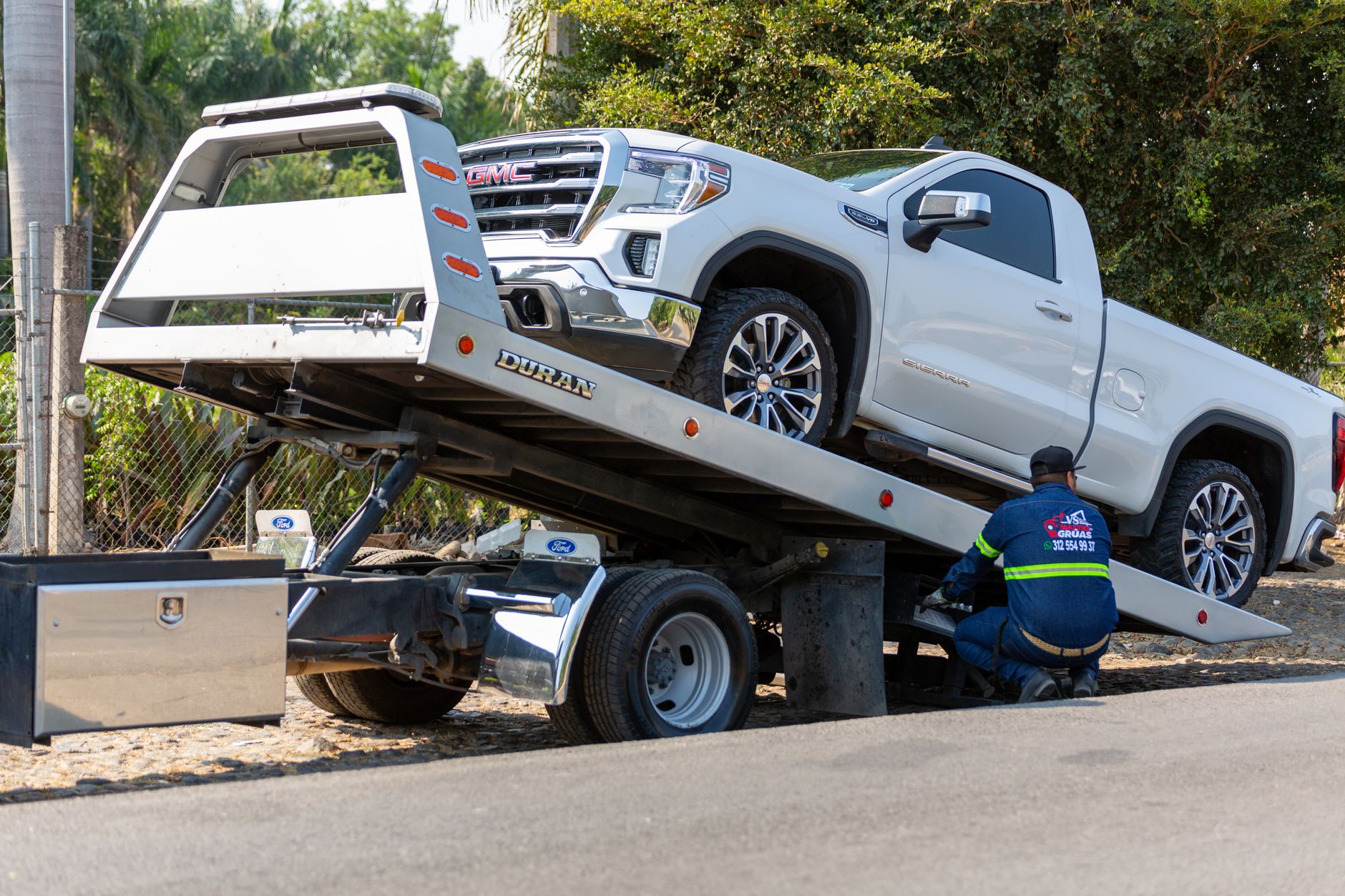
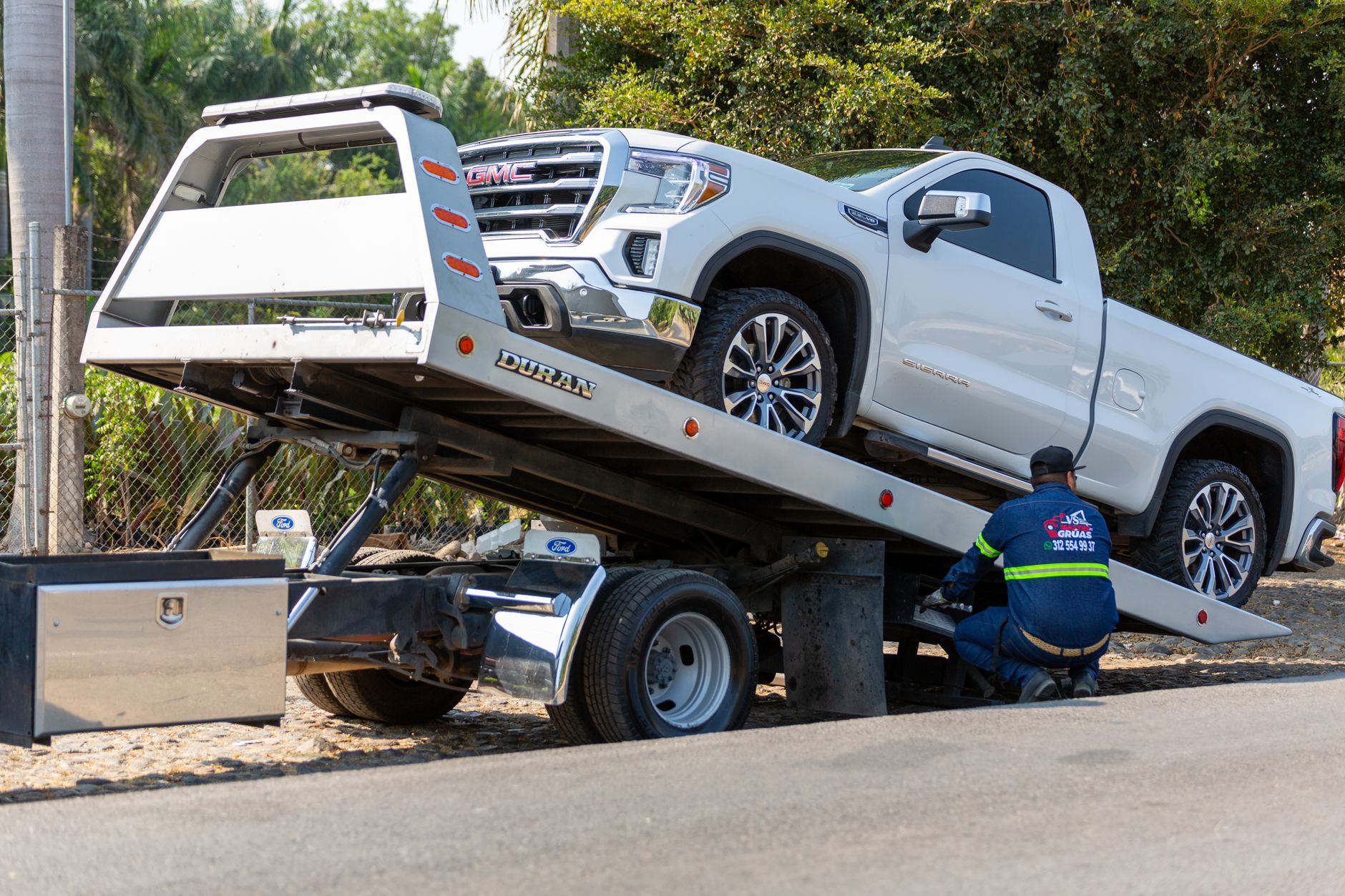
When you prepare for a traffic stop in Las Vegas, understanding local traffic laws can significantly reduce the risk of your vehicle being towed. Certain violations can lead to immediate towing, which can be both costly and inconvenient. Being aware of these laws and how to comply with them will help you navigate the streets of Las Vegas with confidence.
Common Reasons for Towing During a Traffic Stop
Several common factors can lead to towing during a traffic stop in Las Vegas:
- Expired Registration: Driving with expired vehicle registration is a frequent cause of towing. Keeping your registration current is essential to avoid this issue. You can check your registration status on the Nevada DMV website.
- Parking Violations: Parking in unauthorized areas, such as fire lanes or in front of driveways, can result in towing. Always look for signage and comply with parking regulations to prevent this violation.
- Uninsured Vehicles: If an officer discovers that your vehicle is uninsured during a stop, it may be towed. Ensure you have valid insurance coverage at all times.
- Driving Without a License: Operating a vehicle without a valid driver’s license can lead to towing, as it indicates a lack of compliance with traffic laws.
How to Avoid Towing During a Stop
To ensure you avoid towing during a stop, consider the following traffic stop tips:
- Regularly Inspect Your Vehicle: Check that your registration, insurance, and driver’s license are up to date before you drive.
- Observe Parking Regulations: Always pay attention to parking signs and indicators to avoid making an illegal stop.
- Stay Informed: Familiarize yourself with Las Vegas traffic law awareness, which includes understanding local ordinances and regulations. Resources such as the City of Las Vegas Traffic Department can be helpful.
- Be Proactive: If you know your vehicle has issues, such as a broken taillight or expired registration, address these problems before hitting the road. Taking proactive measures helps you stay compliant and reduces the chances of a stop leading to towing.
By being knowledgeable about Las Vegas traffic laws and employing these strategies, you can prepare for a traffic stop in Las Vegas more effectively and avoid the inconvenience of towing. Always remember that compliance with local laws is key to a smooth driving experience.
Best Practices for Remaining Calm During a Traffic Stop
Being pulled over can be a stressful experience, especially in a bustling city like Las Vegas. However, how you respond during a traffic stop can significantly affect the outcome. Preparing for a traffic stop in Las Vegas involves not only knowing the laws but also mastering effective communication and stress management techniques. Below, we outline critical strategies to help you maintain composure during a traffic stop.
How to Communicate Effectively with Officers
Effective communication is key to ensuring a smooth interaction with law enforcement. Here are some essential traffic stop tips that can help you communicate effectively:
- Stay Calm: Take a deep breath to help manage your stress. A calm demeanor can help de-escalate any tension.
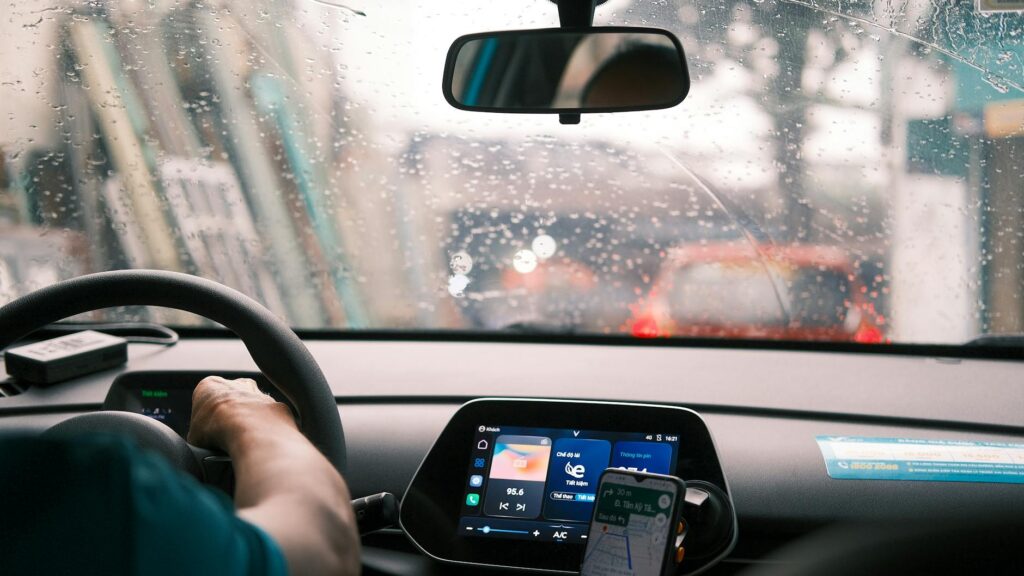
- Keep Your Hands Visible: As soon as you pull over, place your hands on the steering wheel. This action shows the officer that you are not a threat.
- Provide Identification Clearly: When asked for your driver’s license and registration, inform the officer where these documents are located before reaching for them. For instance, say, “My license is in my wallet in the glove compartment.”
- Respond Politely: Always address the officer respectfully. Simple phrases like “Yes, sir” or “No, ma’am” can go a long way in creating a positive atmosphere.
These techniques not only promote a respectful exchange but also help you avoid unnecessary complications that could arise during a stop. Being informed about Las Vegas traffic law awareness can provide you with a better understanding of your rights and responsibilities during such encounters.
Dealing with Stress During a Stop
It’s natural to feel anxious during a traffic stop. However, managing that stress is crucial to ensuring a safe and effective interaction. Here are some strategies to help you remain calm:
- Practice Deep Breathing: Inhale deeply through your nose, hold for a few seconds, and then exhale slowly. This simple technique can help reduce anxiety.
- Stay Focused: Concentrate on the officer’s instructions and avoid thinking about potential negative outcomes. This focus helps mitigate stress and promotes clarity.
- Know Your Rights: Being aware of your rights can help reduce anxiety related to uncertainty. Familiarize yourself with local laws to avoid towing during a stop and other complications.
By following these best practices, you can better prepare for a traffic stop in Las Vegas. Remaining calm and communicating effectively with law enforcement officers not only contributes to your safety but also enhances the overall experience. For additional information on traffic stops, consider checking official resources on traffic regulations in Nevada. Traffic Violations and Vehicle Registration in Las Vegas

What to Do After a Traffic Stop in Las Vegas
Experiencing a traffic stop can be a stressful situation, but knowing what to do afterward is crucial. To effectively prepare for a traffic stop in Las Vegas, it is essential to understand the follow-up actions you can take and your rights as a driver. By being informed, you can navigate the aftermath of a traffic stop with confidence and awareness.
Follow-Up Actions to Take
After a traffic stop, the first step is to assess the situation. If you received a ticket, take the time to read it thoroughly. This document will contain important information regarding the alleged violation, fines, and instructions for payment or contesting the ticket. You have the right to appeal the ticket if you believe it was unjustly issued.
- **Document the Incident**: Write down details of the stop, including the date, time, location, and the officer’s name. This information can be helpful if you choose to contest the ticket.
- **Research Your Options**: Familiarize yourself with the process for contesting a ticket in Nevada. This can involve a court appearance or a written declaration. More information can be found on the Nevada Court System website.
- **Consider Traffic School**: Depending on the violation, attending traffic school may help reduce points on your license and avoid increased insurance rates. Check if this option is available for your specific situation.
Additionally, maintaining Las Vegas traffic law awareness is vital. Understanding local traffic laws can help you avoid future violations and the stress of potential towing during a stop. For comprehensive information on local regulations, refer to the City of Las Vegas website.
Understanding Your Rights
It’s essential to know your rights during and after a traffic stop. As a driver in Las Vegas, you have the right to:
- **Remain Silent**: You can choose not to answer questions beyond providing your identification and vehicle registration.
- **Request Identification**: You may ask for the officer’s badge number and name, which can be crucial if you need to file a complaint later.
- **Record the Interaction**: In Nevada, you are allowed to record the stop as long as you do not interfere with the officer’s duties.
Being aware of your rights and the proper follow-up actions can significantly impact your experience after a traffic stop. By staying informed, you can effectively prepare for a traffic stop in Las Vegas and navigate any potential legal challenges with greater ease.
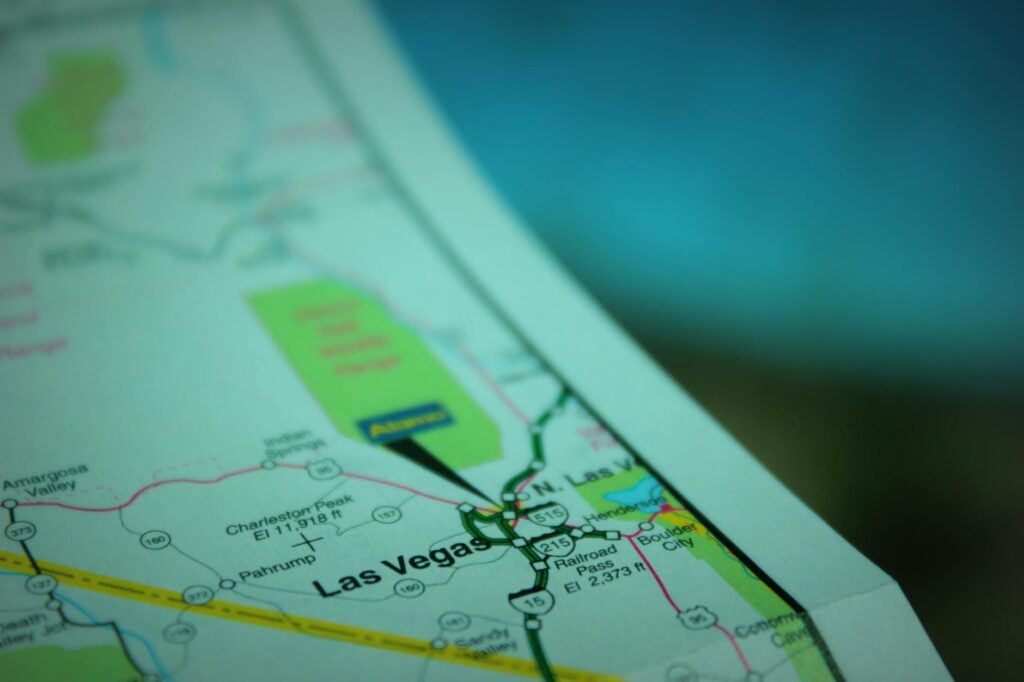
Understanding how to prepare for a traffic stop in Las Vegas is crucial for ensuring a smooth interaction with law enforcement. By following these traffic stop tips, you can not only minimize stress but also enhance your safety. Being aware of Las Vegas traffic law awareness helps drivers navigate the complexities of traffic regulations, which can vary significantly from state to state.
Taking proactive steps, such as keeping your vehicle registration up to date and knowing your rights, can help avoid towing during a stop. Always remain calm and courteous during the encounter, as this sets a positive tone. For those who wish to dig deeper into local traffic laws, consider researching additional resources or seeking legal advice tailored to your specific situation. Preparing adequately can turn a potentially tense moment into a manageable experience.
“`html
What should I do if I get pulled over in Las Vegas?
If you get pulled over in Las Vegas, first remain calm and pull over to a safe area. Turn off your engine and roll down your window. Keep your hands visible on the steering wheel. Wait for the officer to approach your vehicle, and follow their instructions. It’s crucial to stay polite and respectful during the interaction. Familiarize yourself with the essential tips to prepare for a traffic stop Las Vegas to ensure a smoother experience.
How can I avoid towing during a traffic stop?
To avoid towing during a traffic stop, ensure your vehicle is properly registered and insured. If you are pulled over, follow the officer’s instructions promptly. If your car is in violation of parking laws, try to move it to a legal parking spot if safe to do so. Being cooperative and respectful can also help prevent towing. Following these traffic stop tips can significantly reduce the risk of complications.
What are common traffic violations in Las Vegas?
Common traffic violations in Las Vegas include speeding, running red lights, failing to yield, and driving under the influence (DUI). Other violations may involve improper lane changes and using a mobile device while driving. Being aware of these Las Vegas traffic laws can help you avoid violations and ensure a safer driving experience.
Do I have to show my ID during a traffic stop?
Yes, during a traffic stop in Nevada, you are legally required to show your driver’s license, vehicle registration, and proof of insurance when requested by an officer. Failing to provide these documents can lead to additional penalties. Always keep these items accessible to make the process smoother and more efficient.
What are my rights during a traffic stop in Nevada?
During a traffic stop in Nevada, you have the right to remain silent and the right to refuse to answer questions that could incriminate you. You can also ask if you are free to leave if the officer does not have a valid reason for the stop. Knowing your rights can empower you to handle the situation more effectively.
How can I remain calm during a traffic stop?
To remain calm during a traffic stop, take deep breaths and remind yourself that the situation is temporary. Prepare for a traffic stop Las Vegas by understanding the process beforehand. Focus on following the officer’s instructions carefully and avoid making sudden movements. Keeping a respectful tone can also help de-escalate any tension.
“`