
Every driver in Las Vegas should have a comprehensive car accident checklist Las Vegas at their fingertips, as navigating the aftermath of a collision can be overwhelming. Understanding the essential steps to take immediately following an accident is crucial for ensuring safety and facilitating a smoother claims process. This guide will explore the vital elements of your checklist, including tips on vehicle recovery and the necessary procedures for towing after an accident. Additionally, we will equip you with strategies to prepare for roadside emergencies that can occur unexpectedly in the bustling environment of Las Vegas. Whether you are a local or just visiting, knowing how to respond in these situations can help protect your rights and assets. For further insights on managing insurance claims, refer to resources like Nolo or NCBI. Read on to ensure you’re prepared for any eventuality on the road.
Understanding the Car Accident Checklist Las Vegas Drivers Need
Having a well-defined car accident checklist is essential for drivers in Las Vegas, where bustling highways and unique traffic conditions can lead to unexpected incidents. This checklist is not just a safety net; it is a vital tool that can significantly influence the aftermath of an accident. Understanding the appropriate actions to take immediately after an accident and how to navigate insurance claims in Nevada can make a world of difference in the recovery process.
Immediate Steps After an Accident: The Car Accident Checklist Las Vegas Drivers Must Follow
In the chaotic moments following a car accident, it’s crucial to prioritize safety first. This includes ensuring that all involved parties are safe and moving to a secure location if possible. Next, contacting the authorities is imperative; not only does this aid in managing the situation, but it also generates an official report that can be beneficial for insurance claims later on. Documentation of the scene is another key step. This should involve taking photographs of the vehicles, the accident scene, and any visible injuries. Collecting contact and insurance information from other drivers is equally important.
- Check for injuries and call 911 if needed
- Move to a safe location, if possible
- Contact the police to report the accident
- Document the scene with photos and notes
- Exchange information with other drivers
In Nevada, drivers should also be aware of the state’s laws regarding vehicle recovery and towing after an accident. The Nevada Department of Motor Vehicles outlines that you may need to arrange for towing services, especially if your vehicle is inoperable. Understanding these regulations can streamline the recovery process, ensuring you are compliant and minimizing delays.
Navigating Insurance Claims in Nevada
Another critical aspect of the car accident checklist for Las Vegas drivers is understanding how to effectively navigate insurance claims. Nevada operates under a fault system, which means the driver responsible for the accident is liable for damages. This makes accurate documentation even more essential. When filing an insurance claim, having a detailed account of the accident, including police reports and photographs, can expedite the claims process.
Furthermore, many drivers underestimate the importance of following up with their insurance company. After submitting your claim, be proactive in communicating with your insurer and ensuring all necessary documentation is provided. This can greatly affect the speed and outcome of your claim.What to Do After a Car Accident in Las Vegas
While some might argue that accidents are unpredictable and that no checklist can fully prepare you, having a comprehensive car accident checklist tailored for Las Vegas can certainly mitigate stress and streamline recovery. By adhering to immediate safety protocols and understanding the intricacies of insurance claims, drivers can navigate the aftermath of an accident more effectively. Ultimately, being prepared not only aids in personal recovery but also contributes to safer driving in our vibrant city.
Vehicle Recovery and Towing After an Accident
After a car accident, one of the most crucial steps in your car accident checklist for Las Vegas drivers is ensuring proper vehicle recovery and towing. In a city known for its bustling traffic and unexpected roadside emergencies, the right towing service can make all the difference. Choosing a reputable towing company is not merely a matter of convenience; it significantly impacts the safety and condition of your vehicle during transport.
Choosing the Right Towing Service
When selecting a towing service in Las Vegas, there are several important factors to consider. First, check if the towing company is licensed and insured. A reliable service will have both to safeguard your interests and those of their employees. Ask about their experience with vehicle recovery after accidents; companies with a proven track record are more likely to handle your situation effectively.
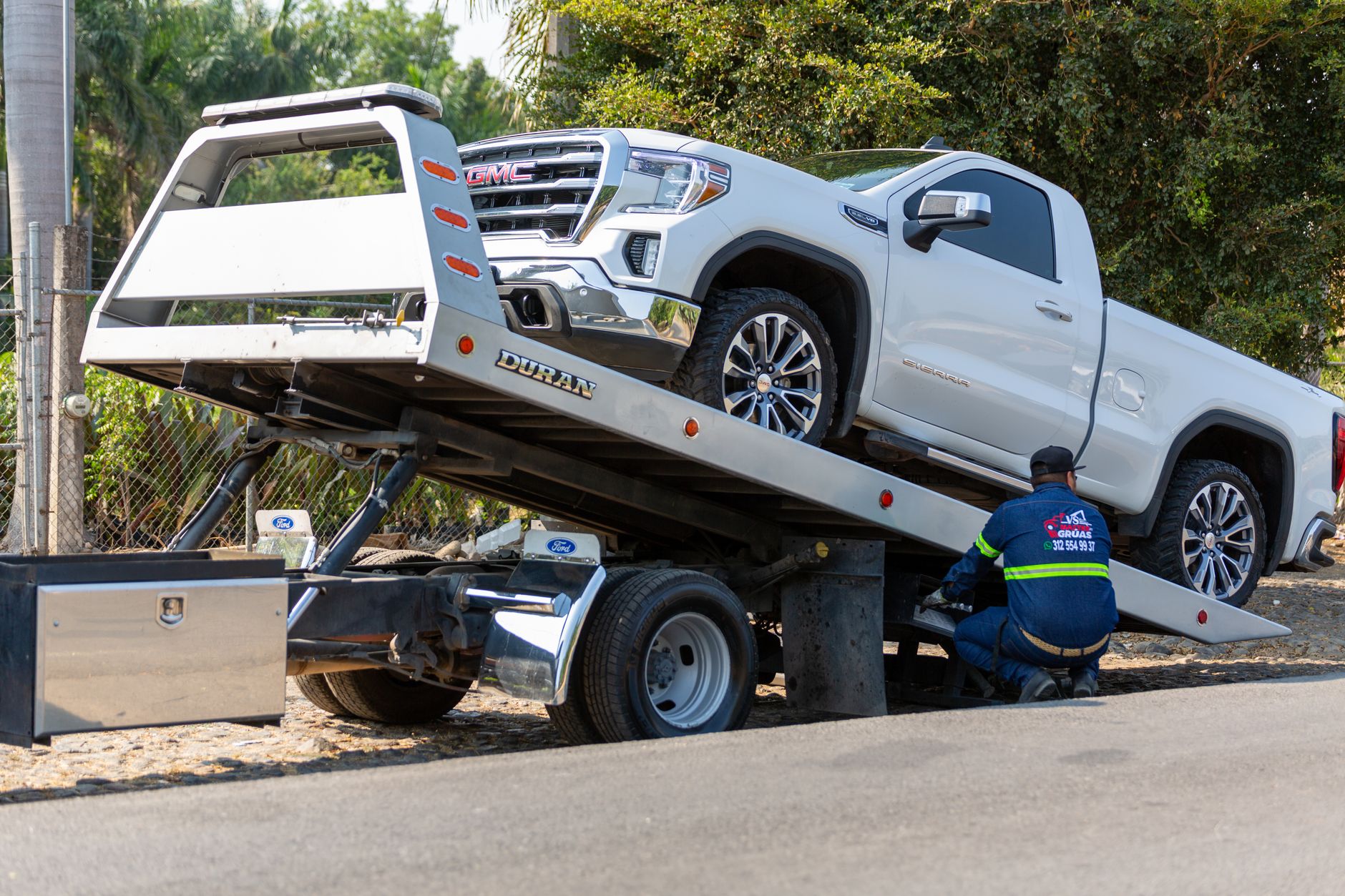
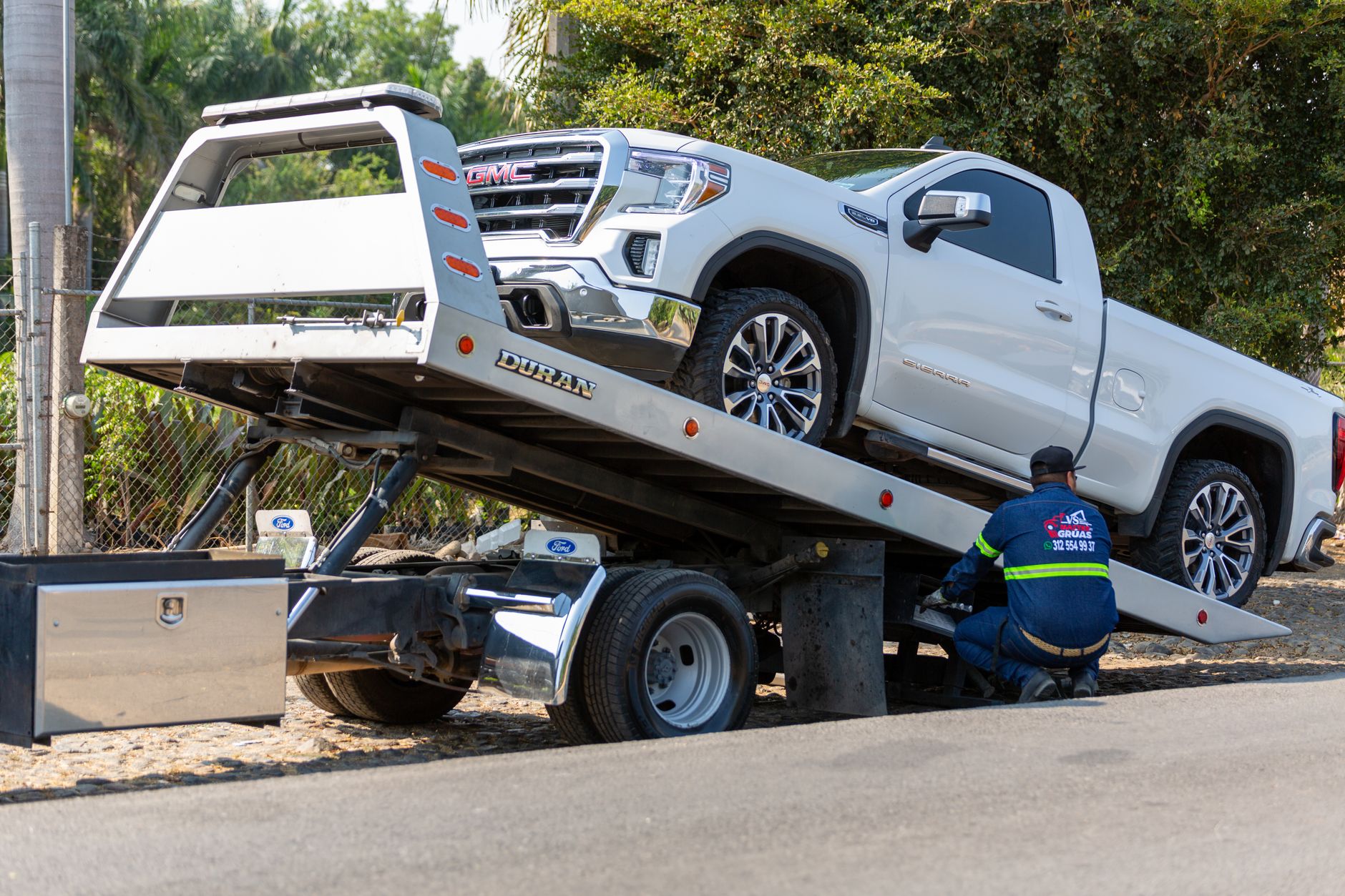
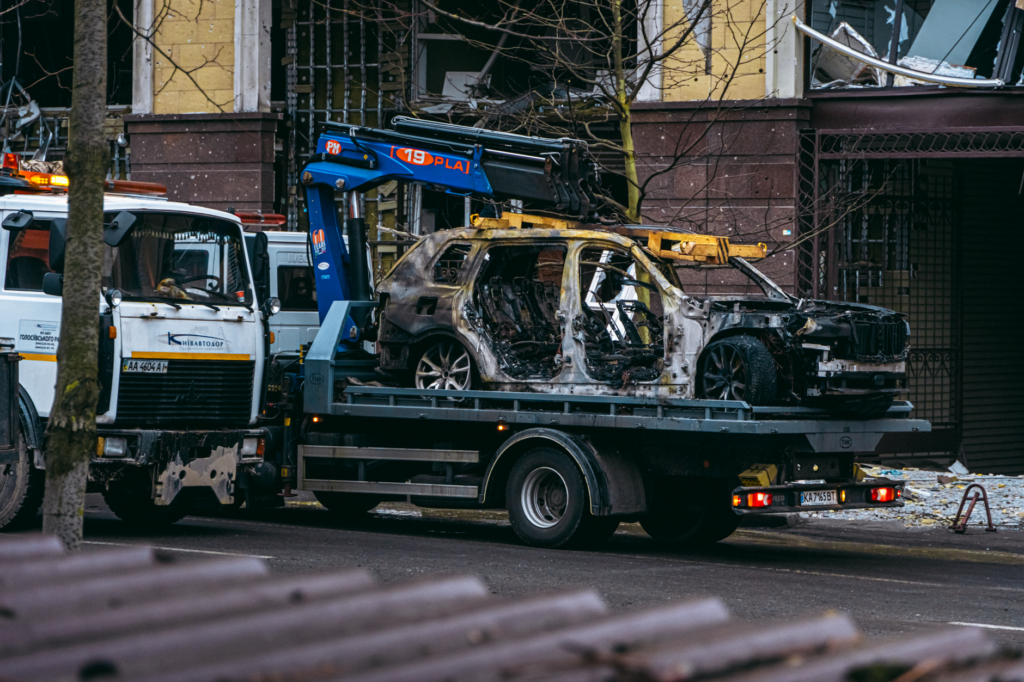
It’s also wise to inquire about the type of equipment they use. For instance, flatbed trucks are generally preferred for towing damaged vehicles, as they minimize the risk of further harm. Additionally, clarify the costs associated with the towing service, including any potential storage fees if your vehicle needs to be held for insurance claims or repairs. Understanding the financial implications upfront can save you from unexpected expenses later on.
What to Know About Vehicle Recovery
Vehicle recovery involves more than just towing; it includes ensuring that your vehicle is safely transported to a repair shop or storage facility. After an accident, the condition of your vehicle can be precarious, and improper handling may lead to further damage. A trustworthy towing service will assess the vehicle’s state and determine the best approach to transport it without exacerbating any existing issues.
Moreover, understanding how your insurance policy covers towing and vehicle recovery is essential. Some policies include towing costs as part of roadside assistance, while others may require you to pay upfront and seek reimbursement later. Always have your insurance details handy when contacting a towing service to streamline the process of making insurance claims.
In a city like Las Vegas, where accidents can happen unexpectedly, being prepared with a comprehensive car accident checklist for Las Vegas drivers will help you navigate the complexities of vehicle recovery and towing. Prioritize selecting a reputable towing service, ask the right questions, and understand your insurance coverage to ensure a smooth recovery process.
Preparing for Roadside Emergencies in Las Vegas
Being prepared for roadside emergencies in Las Vegas is not just a matter of convenience; it is essential for ensuring safety and minimizing stress during unexpected situations. Whether it’s a minor accident or a breakdown, having a well-thought-out car accident checklist Las Vegas can make all the difference. Drivers who take the time to prepare can navigate these challenges with confidence, knowing they have the necessary tools and knowledge at their disposal.
Essential Roadside Emergency Kit
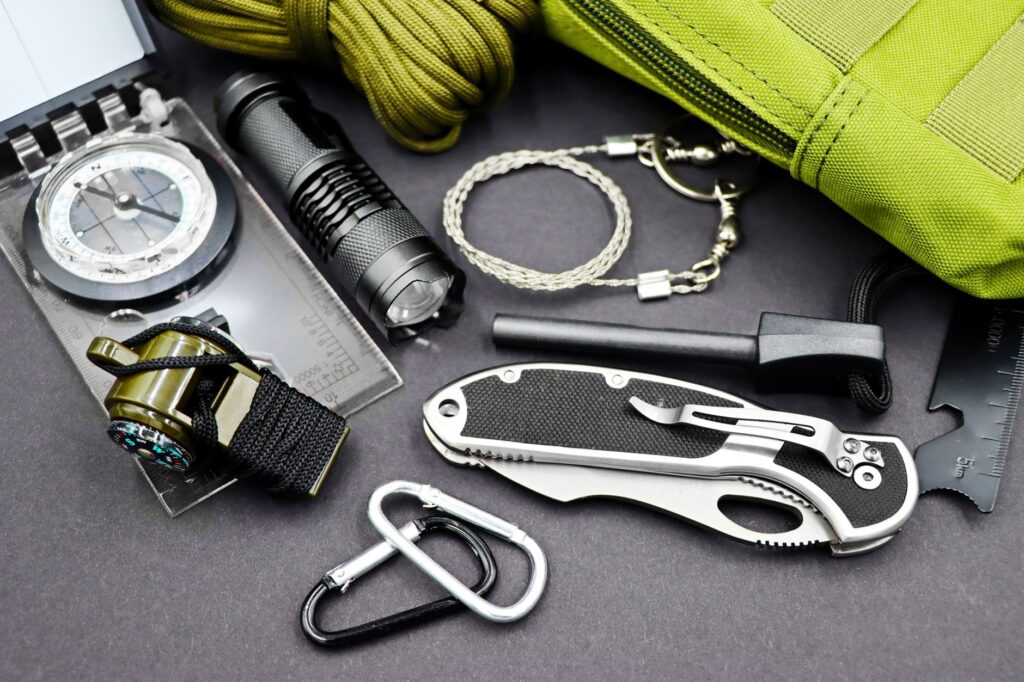
An effective emergency kit is the cornerstone of any car accident checklist Las Vegas drivers should adopt. A well-stocked kit can be the difference between a minor inconvenience and a major crisis. Here are the essential items you should include:
- First Aid Kit: Accidents can happen, and a first aid kit can help address minor injuries while waiting for professional assistance.
- Road Flares or Warning Triangles: These are vital for alerting other drivers to your situation, especially on busy roads.
- Jumper Cables: A dead battery is one of the most common roadside emergencies, and having jumper cables can help you or a fellow driver get back on the road quickly.
- Basic Tools: A multi-tool or basic toolkit can assist with minor repairs, such as changing a tire.
- Water and Non-Perishable Snacks: In case you are stranded for an extended period, having water and snacks can keep you comfortable.
- Flashlight with Extra Batteries: Visibility can be limited at night, making a flashlight essential for safety.
- Blanket: If temperatures drop, a blanket can keep you warm while waiting for help.
When to Call for Help
Even with a fully stocked emergency kit, there are situations where professional help is necessary. Understanding when to call for assistance can save you time and reduce stress. If your vehicle is immobile due to extensive damage, such as after a serious accident, or if you are facing mechanical issues that you cannot safely address, it is wise to call for vehicle recovery or towing after an accident. In Las Vegas, numerous towing services and roadside assistance programs are available, ensuring that help is just a phone call away.
Moreover, if you find yourself in a precarious situation that poses a risk to your safety or the safety of others, do not hesitate to reach out for professional support. Additionally, understanding your insurance policy can also help streamline insurance claims after an accident, making your recovery process smoother.
In a city like Las Vegas, where the hustle and bustle can often lead to accidents, being prepared for roadside emergencies is not just practical; it is a vital component of responsible driving. By investing time in assembling a comprehensive emergency kit and knowing when to call for help, you can navigate the uncertainties of the road with greater peace of mind. A proactive approach ensures that you are ready for whatever challenges may arise, making your journeys in this vibrant city safer and more enjoyable.
Being prepared for a car accident is crucial for all Las Vegas drivers. Utilizing a comprehensive car accident checklist Las Vegas ensures that you can efficiently manage the aftermath of an accident, from securing vehicle recovery to navigating the complexities of insurance claims. Remember, each step you take after an incident can significantly impact your recovery process and the resolution of any roadside emergencies.
Whether you are dealing with towing after an accident or gathering necessary documentation for your insurance provider, having a checklist simplifies the process. By staying organized and aware of your options, you can focus on what truly matters, your safety and well-being. We encourage you to keep a printed copy of the car accident checklist Las Vegas in your vehicle, so you are always ready to respond effectively in any situation. Prioritize safety, stay informed, and be prepared for the unexpected.
“`html
What should I do immediately after a car accident in Las Vegas?
Immediately after a car accident in Las Vegas, ensure everyone’s safety first. Check for injuries and call 911 if needed. Move vehicles to a safe location if possible, and exchange information with the other driver, including names, contact details, insurance information, and license plate numbers. Document the scene by taking photos and noting the circumstances. This is essential for your car accident checklist Las Vegas, as it helps with future insurance claims and any legal matters.
How do I file an insurance claim after an accident?
To file an insurance claim after an accident, contact your insurance provider as soon as possible. Provide them with all relevant details, including the accident date, location, involved parties, and any police reports. Submit any documentation you gathered, such as photos and witness statements. Your insurer will guide you through the claims process, which may involve assessments and negotiations. It’s important to follow up regularly to ensure your claim is processed efficiently.
What are my rights regarding vehicle recovery in Nevada?
In Nevada, you have the right to recover your vehicle after an accident, provided you are the owner. If your vehicle is towed, the towing company must notify you and provide a clear explanation of any fees. You can request your vehicle back unless it is being held for evidence in a criminal investigation. Always keep records of communications and any fees associated with vehicle recovery, as they may be relevant for insurance claims.
How can I find a reliable towing service in Las Vegas?
To find a reliable towing service in Las Vegas, start by checking with your insurance provider for recommended companies. You can also search online for local towing services with good reviews. Look for services that provide 24/7 assistance and have positive customer feedback. Additionally, you may want to ask friends or family for recommendations. Always verify that the towing company is licensed and insured to ensure your vehicle is in safe hands.
What should I include in my roadside emergency kit?
Your roadside emergency kit should include essential items such as a first aid kit, flashlight, batteries, jumper cables, basic tools, and a tire repair kit. Additionally, consider adding water, non-perishable snacks, a reflective triangle, and road flares. A blanket and a phone charger can also be useful. Keeping this kit handy can be crucial during roadside emergencies and can help you feel more prepared should an accident occur.
When should I call for roadside assistance after an accident?
You should call for roadside assistance after an accident if your vehicle is disabled, if you are unable to drive safely, or if you need help with a flat tire or lockout situation. If you’re in a dangerous location, calling for assistance promptly is crucial for your safety. Roadside assistance services can help with towing after an accident, securing the vehicle, and ensuring you receive necessary help, so don’t hesitate to reach out.
“`