When faced with a dead battery, effective dead battery assistance can make all the difference in getting back on the road. Understanding the essential steps involved is crucial for any driver. This article will guide you through the process of handling a dead car battery, starting with a jump start service as a quick solution to revive your vehicle. We’ll then discuss battery replacement, ensuring you know when it’s time to invest in a new battery. For those moments when you require expert help, we’ll cover the importance of roadside help and how it can ease your burden. Additionally, we will touch on vehicle troubleshooting to help prevent future battery issues, ensuring that you are always prepared for unexpected breakdowns. By the end of this article, you’ll have a comprehensive understanding of how to effectively manage a dead battery situation and keep your vehicle running smoothly. For more detailed information, you can refer to NHTSA’s guide on automotive batteries.
Dead Battery Assistance: What You Need to Know
Understanding the Causes of a Dead Battery
When faced with a dead battery, understanding the underlying causes is crucial for effective dead battery assistance. Common factors include leaving headlights or interior lights on, which can drain the battery overnight. Additionally, extreme weather conditions, both hot and cold, can significantly affect battery performance. According to the U.S. Department of Energy, battery efficiency decreases in colder temperatures, making older batteries particularly vulnerable. Age is another critical factor; batteries typically last three to five years, and as they age, their ability to hold a charge diminishes.
Immediate Steps to Take for Dead Battery Assistance
When you find yourself in need of dead battery assistance, there are immediate steps you can take. Start by checking for dashboard warning lights or any signs of electrical activity. If everything appears off, you might consider a jump start service as your first line of action. Ensure you have jumper cables and follow proper procedures to avoid damaging your vehicle’s electrical system. If a jump start doesn’t work, it may indicate a need for a battery replacement or more extensive vehicle troubleshooting.
For those who are unsure about performing these tasks, seeking roadside help can be a wise decision. Many roadside assistance plans offer support for battery issues, making it easier to get back on the road. Regular battery maintenance, such as cleaning terminals and checking fluid levels, can prevent many issues. By understanding the common causes and knowing the steps to take, you can effectively manage a dead battery situation.
Jump Start Service: A Quick Solution for Dead Battery Assistance
A dead battery can halt your day, but a jump start service offers a rapid remedy. Knowing how to safely jump start your car can empower you to resolve the issue quickly. However, there are scenarios where professional dead battery assistance is the better option. This section will guide you through the steps of a safe jump start while highlighting when to seek expert help.
How to Safely Jump Start Your Car
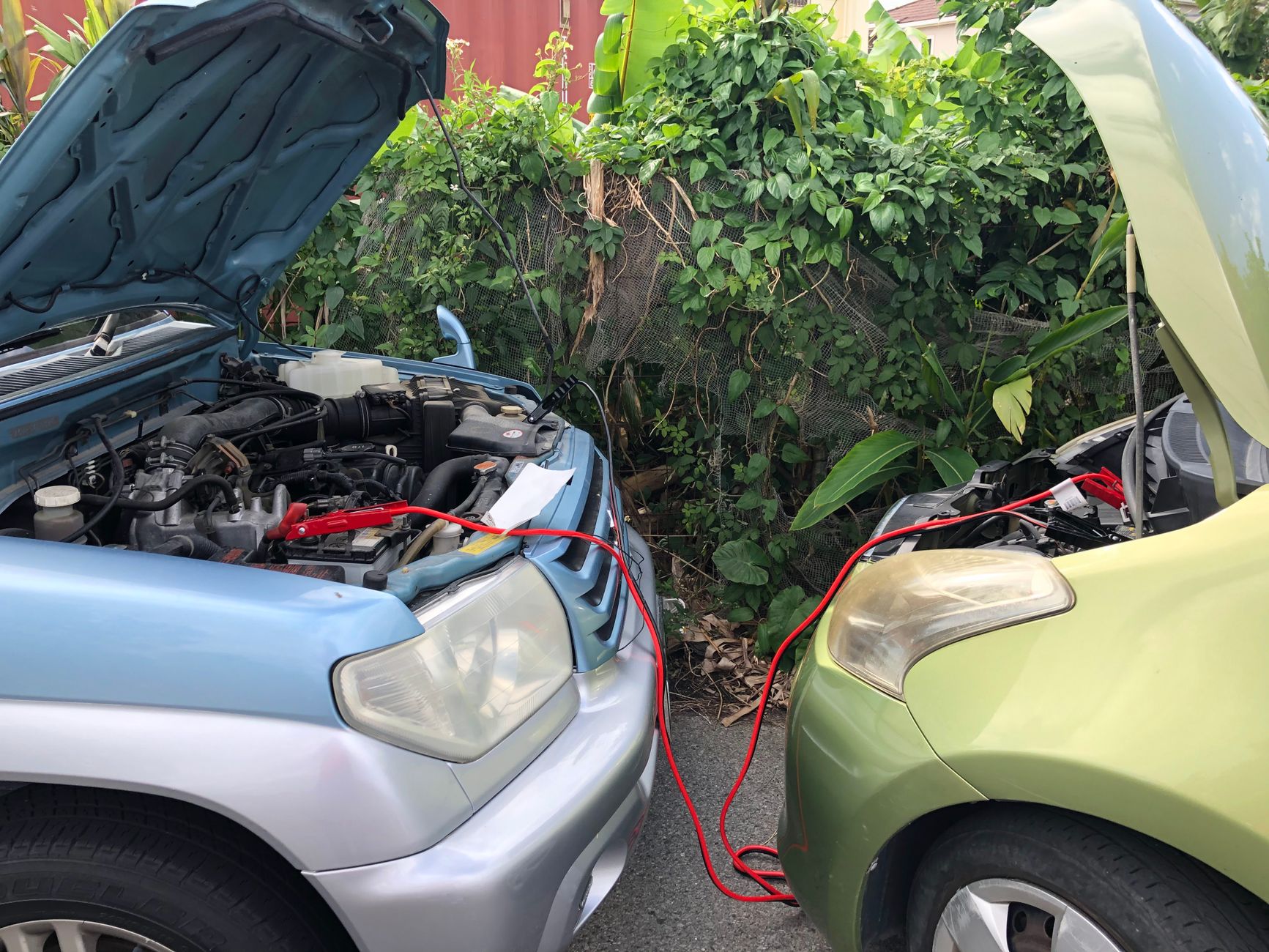
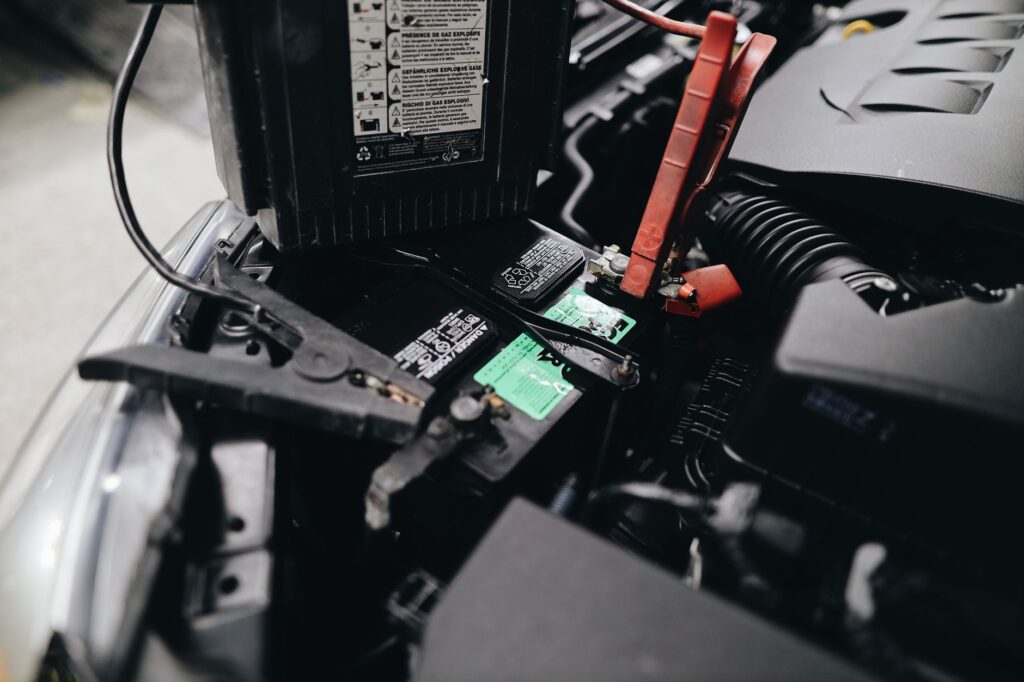
Jump starting a vehicle requires careful attention to safety protocols. Here’s a step-by-step guide:
- Gather Equipment: Ensure you have a functioning set of jumper cables and access to another vehicle with a charged battery.
- Position the Vehicles: Park the vehicles close enough for the cables to reach but ensure they do not touch each other.
- Turn Off Both Vehicles: Make sure both cars are off to prevent electrical surges.
- Connect Cables:
- Attach one red clamp to the positive terminal of the dead battery.
- Connect the other red clamp to the positive terminal of the charged battery.
- Attach one black clamp to the negative terminal of the charged battery.
- Connect the other black clamp to an unpainted metal surface on the dead vehicle.
- Start the Rescue Vehicle: Let it run for a few minutes, then attempt to start the vehicle with the dead battery.
- Remove Cables Safely: Disconnect the cables in reverse order, ensuring no clamps touch each other.
Using the correct cables and following these steps can minimize risks during your jump start. However, knowing when to call for professional jump start service is crucial.
When to Call for Professional Jump Start Service
While DIY jump starting can be effective, certain situations warrant professional dead battery assistance. If you notice unusual smells, hear clicks without engine turnover, or see warning lights on your dashboard, it may indicate deeper issues such as battery replacement needs or electrical system problems. Attempting to troubleshoot these issues without expertise could lead to further damage.
Additionally, if you feel uncomfortable or unsure about the process, seeking roadside help is always a wise choice. Professionals have the training and tools to ensure safe and effective assistance, allowing you to avoid potential hazards.
while a jump start service can provide a quick fix, it’s essential to recognize your limits and when expert intervention is necessary. Prioritizing safety not only protects you but also extends the life of your vehicle.
Battery Replacement: When It’s Time to Replace Your Battery
Signs You Need to Replace Your Battery
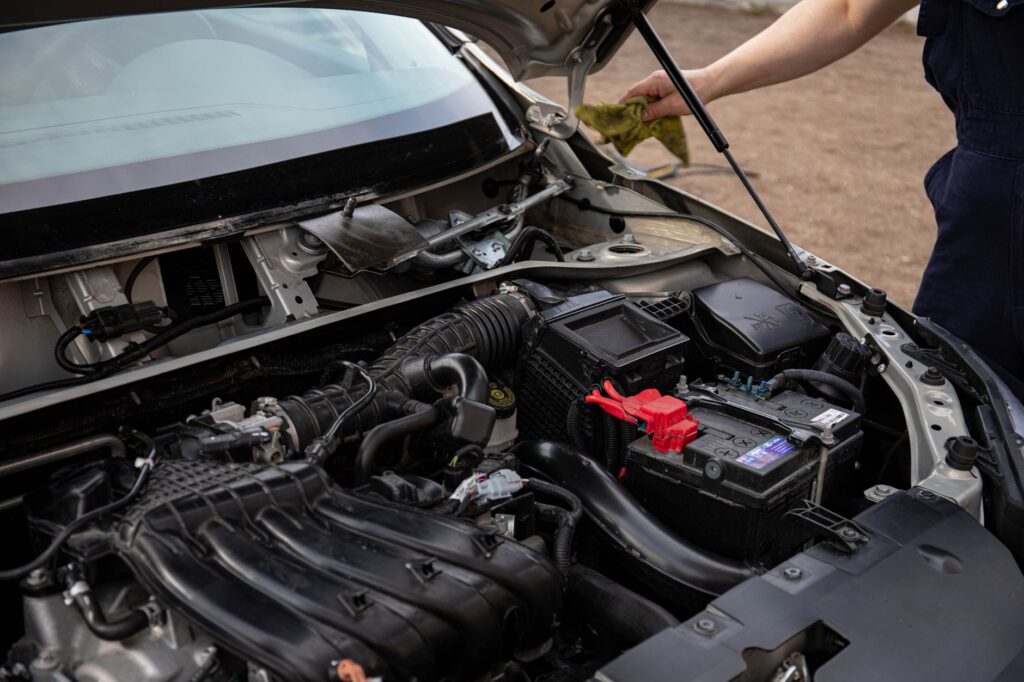
Recognizing when to replace your car battery is crucial for avoiding unexpected breakdowns. A dead battery can leave you stranded, making the need for dead battery assistance all the more pressing. Common indicators that your battery may need replacement include:
- Slow Engine Crank: If your engine struggles to turn over, it may signal a weakening battery.
- Corrosion on Terminals: Visible corrosion can indicate a failing battery or poor connections, which can impact performance.
- Electrical Issues: Dimming headlights or malfunctioning electronics often point to battery trouble.
- Age: Most car batteries last between three to five years. If yours is nearing this age, it’s time for vehicle troubleshooting.
Choosing the Right Battery for Your Vehicle
Selecting the correct battery is essential for optimal performance. When considering a battery replacement, refer to your vehicle’s manual for specifications, including size and capacity. Not all batteries are created equal; choosing one that fits your vehicle’s requirements ensures longevity and reliability.
Additionally, professional installation is advisable. While a jump start service can temporarily revive your battery, it is not a permanent solution. Seeking roadside help for battery replacement can save you from potential complications and ensure proper installation. Always consult a certified technician to avoid any mishaps.
Roadside Help: When You Need Expert Assistance
Finding Reliable Roadside Help Services for Dead Battery Assistance
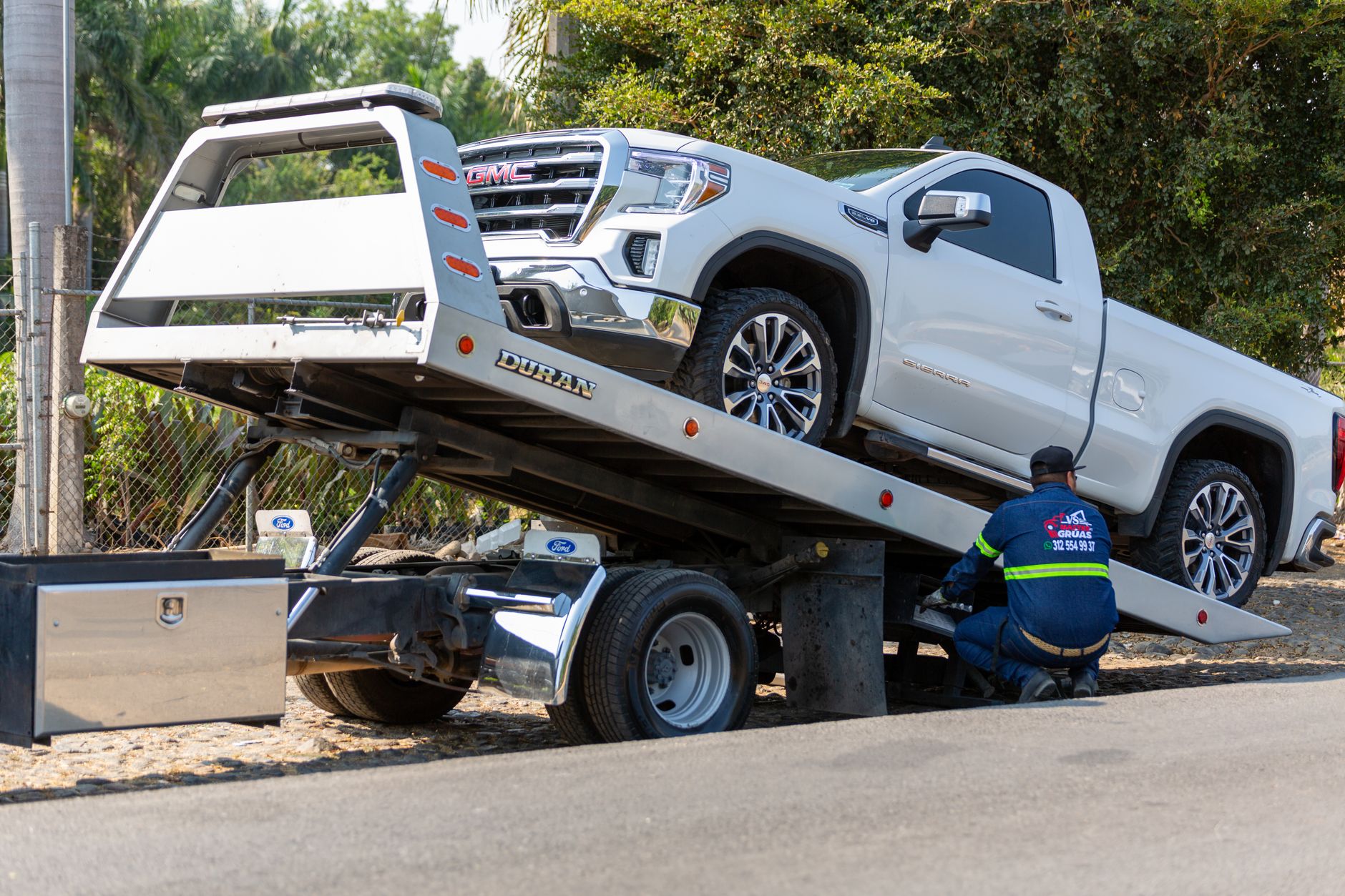
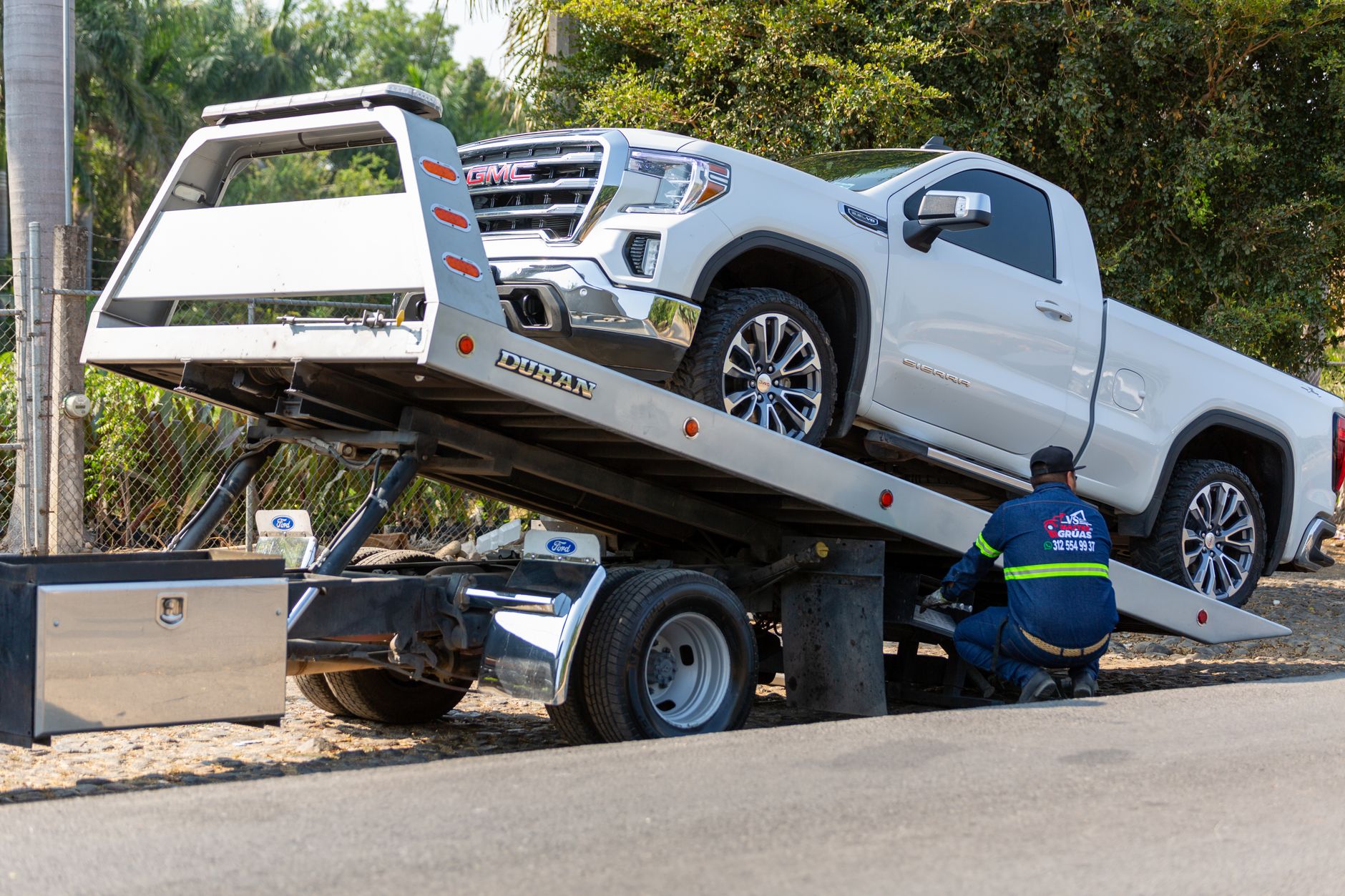
When your vehicle unexpectedly falls victim to a dead battery, knowing where to find reliable roadside help services can make all the difference. Not all roadside assistance options are created equal, and it is essential to do your research before an emergency arises. Look for companies with positive customer reviews, clear pricing structures, and a solid reputation in your area. Websites like Better Business Bureau or Yelp can provide valuable insights into customer experiences. Additionally, verify that the service includes essential offerings such as jump start service and battery replacement, ensuring that they can handle various situations related to vehicle troubleshooting.
Another excellent option is to consider a roadside assistance membership. These memberships often provide comprehensive services that can save you time and stress during emergencies. With a membership, you typically receive 24/7 access to expert help, which can be crucial when you’re stranded at an inconvenient hour. Furthermore, many plans cover not just battery assistance but also towing, flat tire changes, and fuel delivery, making them a one-stop solution for all your roadside needs.
Benefits of Roadside Assistance Membership
Having a roadside assistance membership means you’ll never have to navigate a dead battery situation alone. With just a phone call, you can access a network of trained professionals who are equipped to handle various emergencies. This not only alleviates the stress of vehicle troubleshooting but also allows you to feel safe knowing that help is readily available.
Moreover, many membership programs offer added benefits, such as discounts on car repairs and rental services, which can further enhance the value of your investment. Given the unpredictable nature of car troubles, having a dependable roadside assistance option is not just a convenience but a necessity. The peace of mind gained from knowing help is just a call away is invaluable.

In essence, when faced with a dead battery, turning to reliable roadside help services and considering a membership can save you both time and stress. The benefits far outweigh the costs, making it a wise choice for any vehicle owner. Investing in such assistance is not just about convenience; it’s about ensuring safety and security on the road.
Vehicle Troubleshooting: Preventing Future Battery Issues
Routine Maintenance Tips for Your Battery
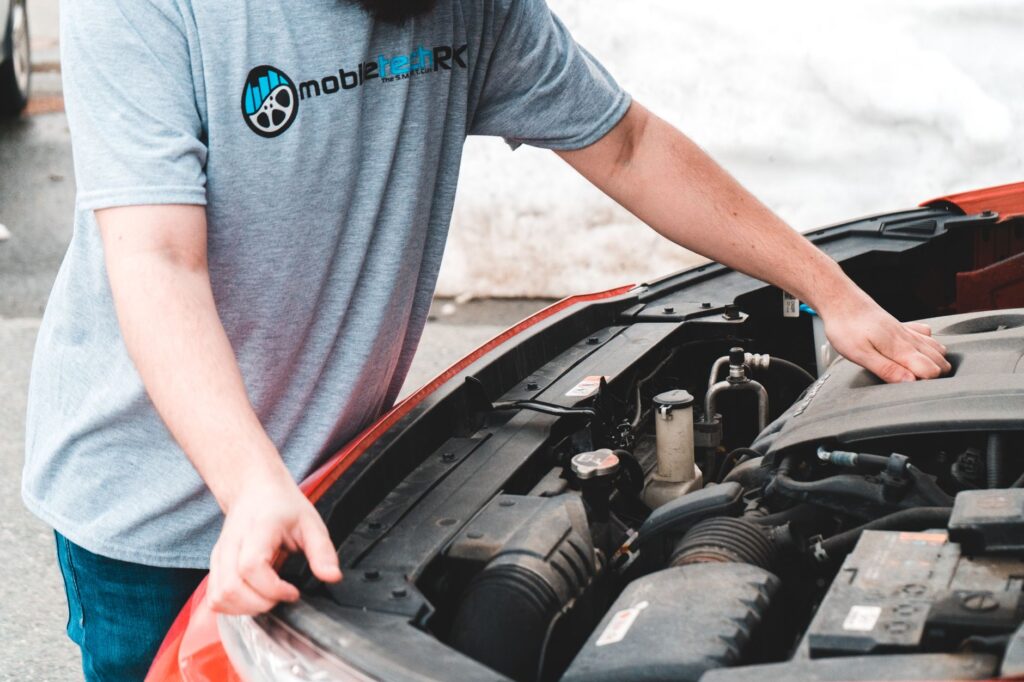
When it comes to avoiding dead battery issues, proactive vehicle troubleshooting is essential. One of the most effective ways to ensure your battery remains healthy is through routine maintenance. Regularly check your battery’s voltage using a multimeter, aiming for a reading of around 12.6 volts when the vehicle is off. This simple step can help identify weak batteries before they fail. Additionally, keeping the battery terminals clean and free from corrosion can significantly extend its lifespan. A mixture of baking soda and water can effectively clean any build-up, ensuring a good connection that’s crucial for optimal performance.
The Importance of Regular Vehicle Inspections for Dead Battery Assistance
Regular vehicle inspections play a vital role in preventing battery-related breakdowns. These check-ups often include examining the battery and charging system, which can pinpoint potential issues before they escalate into emergencies. A comprehensive inspection can also identify other factors that may drain your battery, such as faulty wiring or parasitic draw. Some may argue that inspections are an unnecessary expense, but consider the cost of a jump start service or battery replacement when stranded. Investing in preventative measures can save time and money in the long run, making it a worthwhile pursuit for any vehicle owner.

by incorporating routine checks and committing to regular vehicle inspections, you can significantly reduce the likelihood of encountering dead battery assistance scenarios. These practices not only enhance the reliability of your vehicle but also empower you to address potential issues before they arise, ensuring a smoother driving experience.
Conclusion: Be Prepared for Dead Battery Assistance Situations
Being proactive about your vehicle’s battery health is essential for avoiding the frustrating experience of a dead battery. Understanding your options for dead battery assistance can save you time, money, and stress when you find yourself stranded. Regular vehicle maintenance, including monitoring battery health, can significantly reduce the likelihood of unexpected failures. A well-maintained battery can last anywhere from three to five years, depending on various factors such as climate and driving habits. According to the Consumer Reports, many drivers overlook the signs of battery wear, which can lead to sudden failures. Implementing routine vehicle troubleshooting can help catch these issues early.
It’s also important to familiarize yourself with the steps to take during a dead battery situation. Whether you opt for a jump start service or require roadside help for battery replacement, having a plan in place can make a world of difference. While some may argue that calling for assistance is easier than attempting a DIY approach, knowing how to jump-start your vehicle is a crucial skill that empowers you to act swiftly and effectively.
Ultimately, being prepared for dead battery situations means understanding your options and taking proactive measures. Regular checks, timely replacement, and knowledge of dead battery assistance can keep you on the road and out of trouble. When the unexpected happens, having a reliable plan can turn a potential crisis into a manageable inconvenience.

When faced with a dead battery, timely and effective dead battery assistance can make all the difference. Whether you require a jump start service to get you back on the road or need to explore battery replacement options, understanding the right steps is crucial. Additionally, having access to reliable roadside help can provide peace of mind during these frustrating moments.
For those who encounter unexpected issues, vehicle troubleshooting can prevent further complications. Knowing how to identify the symptoms of a dead battery and when to seek professional help ensures that you’re prepared for any situation. If you’re currently experiencing battery difficulties, don’t hesitate to reach out for assistance. Your next step could be contacting a local service provider for immediate support.
“`html
What should I do if my car battery is dead?
If you find yourself with a dead battery, the first step is to check for any obvious signs of a problem, such as corroded terminals or loose connections. If everything looks fine, try using a jump start service with jumper cables and another vehicle. If this doesn’t work, you may need to call for dead battery assistance or a tow service to get your vehicle to a mechanic.
How do I jump start a car safely?
To jump start a car safely, first park the working vehicle close to the dead one, ensuring both are off. Connect the positive (red) jumper cable to the positive terminal on the dead battery, then to the positive terminal on the good battery. Next, connect the negative (black) cable to the negative terminal on the good battery, and then to an unpainted metal surface on the dead vehicle. Start the working vehicle, let it run for a few minutes, and then try to start the dead vehicle.
When do I know if I need a battery replacement?
You might need a battery replacement if your car struggles to start, the headlights dim significantly when you turn the ignition, or if you see corrosion around the terminals. Additionally, if your battery is over three years old and shows declining performance, it’s wise to consider a replacement. Regular vehicle troubleshooting can help catch these issues early, ensuring reliable operation.
How can I find roadside help near me?
To find roadside help near you, consider using a navigation app on your smartphone to search for local towing services or emergency roadside assistance options. There are also membership services like AAA that provide comprehensive support, including dead battery assistance. Additionally, your insurance policy may offer roadside assistance, so check that as well.
What are the signs of a failing car battery?
Signs of a failing car battery include slow engine cranking, dimming lights, and electrical issues such as malfunctioning accessories. Additionally, a swollen battery case or leaks can indicate serious problems. If you notice these symptoms, it’s advisable to have your battery tested and consider potential battery replacement to avoid being stranded.
Is it worth getting a roadside assistance membership?
A roadside assistance membership can be very beneficial, especially if you frequently travel or drive long distances. It provides peace of mind knowing you have access to help for issues like dead batteries, flat tires, or emergencies. Memberships often include services like towing and jump start service, which can save you time and money in stressful situations.
“`